Identity lock
Write the chemical name, CAS number if known, and whether the item is a named solvent, a naphtha cut or a blended thinner. If two names are in circulation, list both and ask the factory which one will ship.
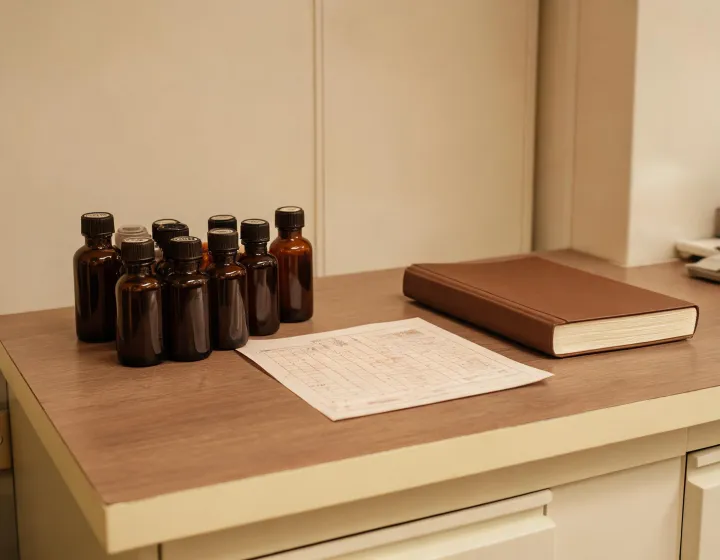
IMAGE-LEFT SPEC LEDGER
Use this page to close specification, document and approval questions for a solvent supplier before a factory quote is requested. The layout is a split ledger, not a sustainability statement. There is no carbon, circular-economy or net-zero claim on this site.
A complete brief names the chemical, CAS if known, grade, concentration, purity, quantity, packaging, US destination and whether SDS, TDS, CoA or a sample is needed. Missing fields stay visible. This desk will not invent assay values, flash-point floors or transport classes to make the form look finished. The 2026-10-19 reviewed blueprint is the content lock; later research cannot silently change those fields.
REQUIREMENT CARDS
Write the chemical name, CAS number if known, and whether the item is a named solvent, a naphtha cut or a blended thinner. If two names are in circulation, list both and ask the factory which one will ship.
Record concentration, purity, assay, water content, density and flash point only where the receiving lab will test them. Leave unused limits blank so they cannot be treated as hidden acceptance criteria.
Ask for current SDS, TDS and CoA format bound to the quoted product. TSCA, REACH, GMP, ISO or DOT/IMDG statements are verification questions for that supplier, not credentials of this website.
Define whether a sample must confirm identity, appearance, assay, moisture, odor or package. Name the reviewer and pass/fail rule outside the quotation. This page does not run laboratory tests.
Buyers often treat a family SDS as if it covered every grade, or compare drum unit prices against IBC delivered prices. Both practices hide scope. Another common split is high-purity solvent versus a lower-assay recovered stream: documentation may look simpler on the first path, while the second path can change water content, color and odor. This brief lists those disputes as questions. It does not publish a preferred route or a saving percentage, because no site-owned quote table exists.
Limitations that remain with the buyer: this desk cannot confirm process compatibility, cannot classify hazardous transport, cannot approve a substitute grade, and cannot treat a related-product SDS as evidence. Handling, storage and mixing stay under the exact SDS, carrier rules and qualified site review.
SDS TDS COA QUESTIONS
Procurement can send quantity and destination. Process or quality still needs to mark which assay, water-content or flash-point values are acceptance criteria. If that owner is unknown, write “owner not assigned” rather than guessing.
Keep blank cells for concentration, purity, package net content, Incoterm and document list. A factory that fills those blanks without buyer approval should have the values moved to an alternative line.
Compare product subtotal, packaging, samples, testing, freight, duties and destination charges only when each quotation states them. Optional budget is a planning range with currency and unit or order basis, not a market discount.